Budget and prices
What a home office actually costs you per year
Equipment spread over its life, electricity at the Ofgem cap, and the heating nobody counts. A working desk costs about £405 a year on these figures.
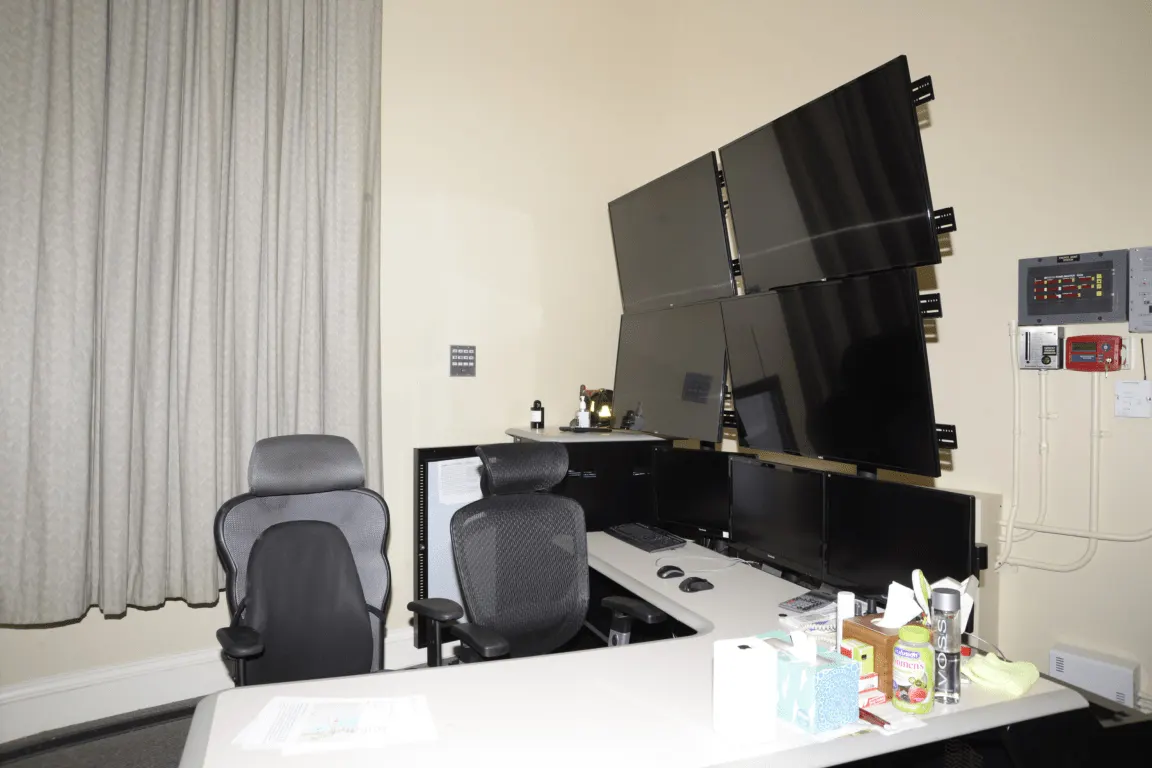
A desk, a chair and a monitor look like a one-off purchase. They are not: they are an annual cost made of three parts, and the two that recur are larger than most people expect.
This guide divides each purchase over the years you will keep it, prices the electricity at the rate the regulator publishes, and then adds the line that makes the biggest difference — heating a room that used to stand empty all day. Every price is an example and is labelled as one.
Equipment, divided by the years you keep it
A desk at £250 kept 10 years is £25 a year. A chair at £350 kept 8 years is about £44 a year. A monitor at £200 kept 6 years is about £33 a year. Together that is roughly £102 a year of equipment, before anything is plugged in.
Notice the ranking. The chair costs less than the desk to buy and more per year to own, because a gas lift and a tilt mechanism wear where a flat timber top does not. That is the argument for spending the marginal £100 on the chair rather than on the desk, and it is an arithmetic argument rather than a comfort one.
Resale changes the division where a market exists. A chair sold on for £80 after 8 years falls from about £44 a year to about £34; a flat-pack desk with no resale value stays at £25. The cost-per-year calculator on this site takes a resale figure so you can see which items have one.
| Item | Example price | Years kept | Cost a year |
|---|---|---|---|
| Desk, 120 x 70 cm | £250 | 10 years | £25 |
| Task chair | £350 | 8 years | about £44 |
| 27-inch monitor | £200 | 6 years | about £33 |
| Total | £800 | — | about £102 |
Nothing is deducted for resale in this table. A chair sold on for £80 after 8 years drops from about £44 a year to about £34.
Electricity, at the rate the regulator publishes
Ofgem's price cap for 1 October to 31 December 2026 sets an average direct debit electricity unit rate of 26.32 pence per kWh for England, Scotland and Wales, with a 54.83 pence daily standing charge. The standing charge is paid whether you work at the desk or not, so only the unit rate belongs in this sum.
A laptop drawing 45 W, a monitor drawing 30 W and an LED desk lamp drawing 8 W is 83 W while you are working. Over 8 hours a day and 220 working days that is about 146 kWh a year, which at the capped rate is roughly £38.45.
Then add what the desk draws while nobody is at it. A dock, a monitor on standby and a charger left plugged in can average 5 W continuously, which is about 44 kWh over a year and roughly £11.53. Equipment electricity therefore comes to about £50 a year, or about 23 pence on each of 220 working days.
| Item | Power | Hours a year | kWh a year | Cost a year |
|---|---|---|---|---|
| Laptop | 45 W | 1,760 hours | 79 kWh | about £20.85 |
| 27-inch monitor | 30 W | 1,760 hours | 53 kWh | about £13.90 |
| LED desk lamp | 8 W | 1,760 hours | 14 kWh | about £3.71 |
| Dock and standby | 5 W | 8,760 hours | 44 kWh | about £11.53 |
| Total | — | — | 190 kWh | about £50 |
1,760 hours is 8 hours a day across 220 working days. The standby row runs continuously, so it uses the full 8,760 hours in a year.
The heating line nobody budgets
A spare room that used to sit cold all day is now occupied for 8 hours. On a UK heating season of roughly 120 days, a 2 kW electric heater run for 4 hours a day uses 960 kWh, which at the capped unit rate is about £253. That is two and a half times the equipment line and five times the electricity the equipment itself draws.
The number moves fast with the hours. The same heater run 2 hours a day over the same 120 days is 480 kWh and about £126; run 6 hours a day it is 1,440 kWh and about £379. Nothing else on the desk has that range, which is why an insulated door, a draught excluder and a thermostat are better value than any accessory on the desk.
Where a home is on gas central heating, heating one room is usually cheaper per kWh than this and harder to isolate, because the boiler warms the circuit rather than the room. The arithmetic above uses an electric heater precisely because it can be measured: one appliance, one rating, one tariff.
- 2 kW heater, 2 hours a day, 120 days: 480 kWh, about £126 a year
- 2 kW heater, 4 hours a day, 120 days: 960 kWh, about £253 a year
- 2 kW heater, 6 hours a day, 120 days: 1,440 kWh, about £379 a year
- Each extra hour a day across the season is about 240 kWh and about £63
Buying from abroad changes the first-year figure
If the chair or the monitor is ordered from outside the UK, the landed cost is not the listed price. HMRC charges import VAT on goods worth more than £135 at the standard rate of 20%, and that VAT is calculated on the total parcel value including postage, packaging, insurance and any duty owed. Customs duty can apply on top for goods above £135, at a rate that depends on the commodity code and the country of origin.
On a £300 chair with £40 of shipping, the VAT base is £340 and the import VAT is £68, before any duty and before the carrier's own handling fee. That takes an apparently £300 chair to at least £408 landed, which changes its cost per year from about £38 to about £51 over 8 years.
Goods worth £135 or less that you bought yourself already have VAT included in the purchase price, and gifts worth £39 or less are not charged VAT at all. The landed-cost calculator on this site takes the goods value, the shipping and the duty rate separately so the three are visible rather than bundled.
The three lines together
On the figures used throughout — £800 of equipment over its stated lives, 190 kWh of desk electricity, and a 2 kW heater for 4 hours a day across 120 days — a home office costs about £405 a year. Across 220 working days that is about £1.84 a day.
The ranking holds in almost every household: heating first at about £253, equipment second at about £102, electricity for the equipment last at about £50. A cheaper chair saves a few pounds a year; closing the door and fitting a draught excluder saves tens.
That ordering is also why the first upgrade worth making is rarely on the desk at all. It is a thermostat on the heater, which turns the largest line from a habit into a setting.
Before you buy
- Write down what you paid for the desk, chair and monitor and the years you expect to keep each
- Divide each price by its years to get a cost per year before comparing any two options
- Read the wattage off each power supply rather than guessing it
- Take your own unit rate from your bill instead of the capped 26.32p per kWh average
- Count the hours the room heater actually runs for a week, then multiply by the season
- Put a thermostat or a timer on the heater before upgrading anything on the desk
- If ordering from abroad, add 20% import VAT on anything above £135 plus the shipping it was calculated on
Questions readers ask
- Is the chair or the desk the better place to spend extra money?
- The chair, on the division. A £350 chair kept 8 years costs about £44 a year while a £250 desk kept 10 years costs £25, so the chair is already the larger annual line despite the smaller gap in price. The chair also contains the parts that fail: the gas lift, the tilt mechanism and the castors.
- Does a second monitor pay for itself?
- It costs about £47 a year on these figures: roughly £33 of purchase divided over 6 years plus about £13.90 of electricity for 1,760 hours at 30 W. Whether that is worth it is a question about your work rather than about the hardware, but £47 a year is the number to weigh, not the £200 on the shelf.
- How much of the £405 can I actually change?
- The heating line, which is about £253 of it. Running the heater 2 hours a day instead of 4 across the same 120 days takes that line from about £253 to about £126, and at 6 hours it reaches about £379. Equipment at about £102 only moves if you buy differently, and desk electricity at about £50 barely moves at all once the kit is chosen.
- Does leaving the dock and charger plugged in matter?
- It is about £11.53 a year at the capped unit rate, from roughly 5 W drawn across all 8,760 hours in a year. That is small against heating but it is the same order as the desk lamp, and unlike the lamp it buys you nothing. A switched extension lead removes it.
- Why is the standing charge excluded from these sums?
- Because it is paid whether or not the desk exists. At 54.83 pence a day the standing charge is about £200 a year on its own, but it does not change when you plug a monitor in, so including it would attribute a household cost to the home office and make every comparison in this guide wrong.
Sources
- Ofgem — energy price cap unit rates and standing charges, 1 October to 31 December 2026 — checked 2026-11-03
- GOV.UK — Tax and customs for goods sent from abroad: tax and duty (the £135 and £39 thresholds) — checked 2026-11-03
- GOV.UK — VAT rates on different goods and services (standard rate 20%) — checked 2026-11-03
Advertising is not enabled on this site yet. When it is, ads will be labelled and kept visually separate from the guides.